
What will you learn on this page?
If you run a small or medium sized business and want to grow without losing control of your customers and leads, this guide is for you. You will learn the three most important CRM benefits for small businesses, how they improve daily operations, and how tools like Claritysoft CRM help teams stay organized, responsive, and focused on growth.
For small businesses, growth often depends on how well you manage customers, leads, and day to day communication. CRM customer relationship management systems help organize information, improve follow up consistency, and create better customer experiences that naturally lead to more sales.
Below are the three most important CRM benefits small businesses should focus on when choosing the right solution.
1. All Your Customer Data in One Place
Many small teams still rely on scattered tools such as spreadsheets, email inboxes, notes, or messaging apps. This often results in lost information, duplicated work, and inconsistent follow ups.
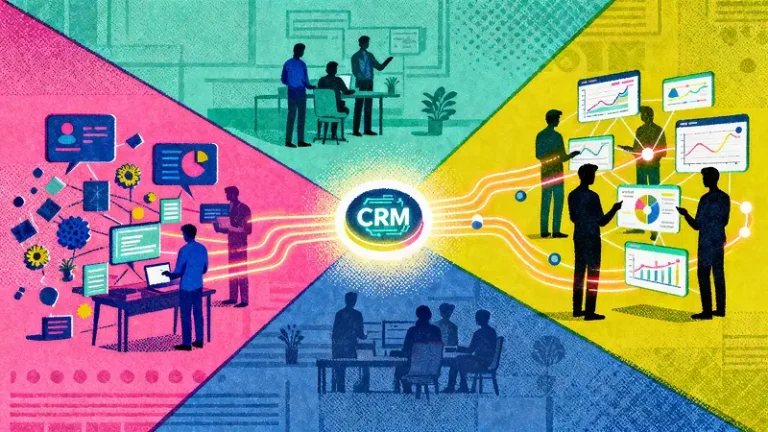
A CRM system centralizes everything into a single reliable source of truth.
- Customer and lead details
- Complete communication history
- Files, quotes, and documents
- Tasks, reminders, and deal progress
Why this matters: When someone leaves your company or changes roles, customer knowledge does not disappear with them. With a CRM like Claritysoft CRM, anyone on the team can quickly understand a customers full history and continue the conversation without disruption.
2. Full Visibility Into What Is Happening
A CRM gives business owners and managers full visibility into customer activity and team performance, even with a small team.
At a glance, you can clearly see:
- Which leads were contacted
- Which follow ups are overdue
- Which deals are moving forward
- What actions each team member has taken
This level of transparency improves accountability and reduces miscommunication. It also encourages consistent data entry and creates a smoother customer experience.
Modern CRM platforms such as Claritysoft CRM include access controls, allowing you to decide who can see or edit specific information. This strengthens clarity while supporting data security and internal trust.
3. Turning Data Into Real and Useful Action
Data alone does not create value. What matters is how easily you can turn that data into action.
A well designed CRM helps small businesses transform simple data into measurable outcomes.
- Segment contacts for more relevant and targeted campaigns
- Automate follow ups based on lead or deal status
- Generate reports in seconds for better decision making
- Create custom fields that match your unique business needs
- Plan tasks directly from a mobile CRM for teams on the move
Even small automations can save hours of manual work and significantly increase conversions. The key is choosing a CRM that fits your workflow and is easy for your team to adopt.
Claritysoft CRM is designed with usability in mind, helping small and medium sized businesses get real value from their data without complex setup or long training periods.
Why CRM Matters for Long Term Growth
A CRM is not just software. It becomes the foundation for sustainable growth by bringing structure, visibility, and consistency into daily operations.
According to CRM and sales research published by HubSpot, businesses that use a CRM are more likely to improve customer retention and sales productivity. This reinforces why CRM adoption is a strategic move, not just a technical one.
When implemented correctly, a CRM becomes the central hub of your business. With tools like Claritysoft CRM, small and medium sized businesses can scale with confidence, maintain strong customer relationships, and make smarter decisions based on real data.